
Every year, hundreds of thousands of racegoers head to Cheltenham Racecourse for one of the biggest events in the British racing calendar.
And every year, many of them make the same travel mistakes.
If you’re heading to Cheltenham Races for the first time — or even if you’ve been before — this guide breaks down the best ways to get there, what to avoid, and how experienced racegoers actually travel on race day.
🚗 Driving to Cheltenham Races: Why It’s Not as Easy as It Sounds
On paper, driving seems like the obvious option. In reality, it’s often the most stressful.
Common issues drivers face:
- Heavy congestion on all routes into Cheltenham
- Temporary road closures and diversions
- Long queues for car parks
- Slow exits after the final race
- No flexibility if plans change
Add in alcohol restrictions and unpredictable finish times, and many first-timers quickly regret driving.
🚆 Train to Cheltenham Races: Popular but Problematic
Catching the train to Cheltenham Spa is a popular choice, especially from London and Birmingham — but it comes with its own problems.
What catches people out:
- Packed carriages during peak race days
- Delays and cancellations
- Long queues for taxis and shuttle buses at the station
- Standing for the journey home
For large groups or anyone dressed for hospitality, it’s rarely the smooth experience people expect.
🚕 Taxi or Pre-Booked Transfer: What Regular Racegoers Prefer
Ask people who attend Cheltenham Festival every year and you’ll hear the same advice: pre-book your transport.
Why taxis and private transfers are so popular:
- Door-to-door travel
- No parking stress
- Flexible pickup times
- Easier returns after the last race
- Ideal for groups and smart race attire
Pre-booking also avoids surge pricing and last-minute availability issues, which are common during Cheltenham Festival week.
🚐 Travelling in a Group? This Is Where Most People Go Wrong
One of the biggest mistakes first-timers make is splitting into multiple cars.
Group travel works far better when:
- Everyone arrives together
- Costs are shared
- There’s space for outfits, bags and picnic gear
- No one has to stay sober to drive
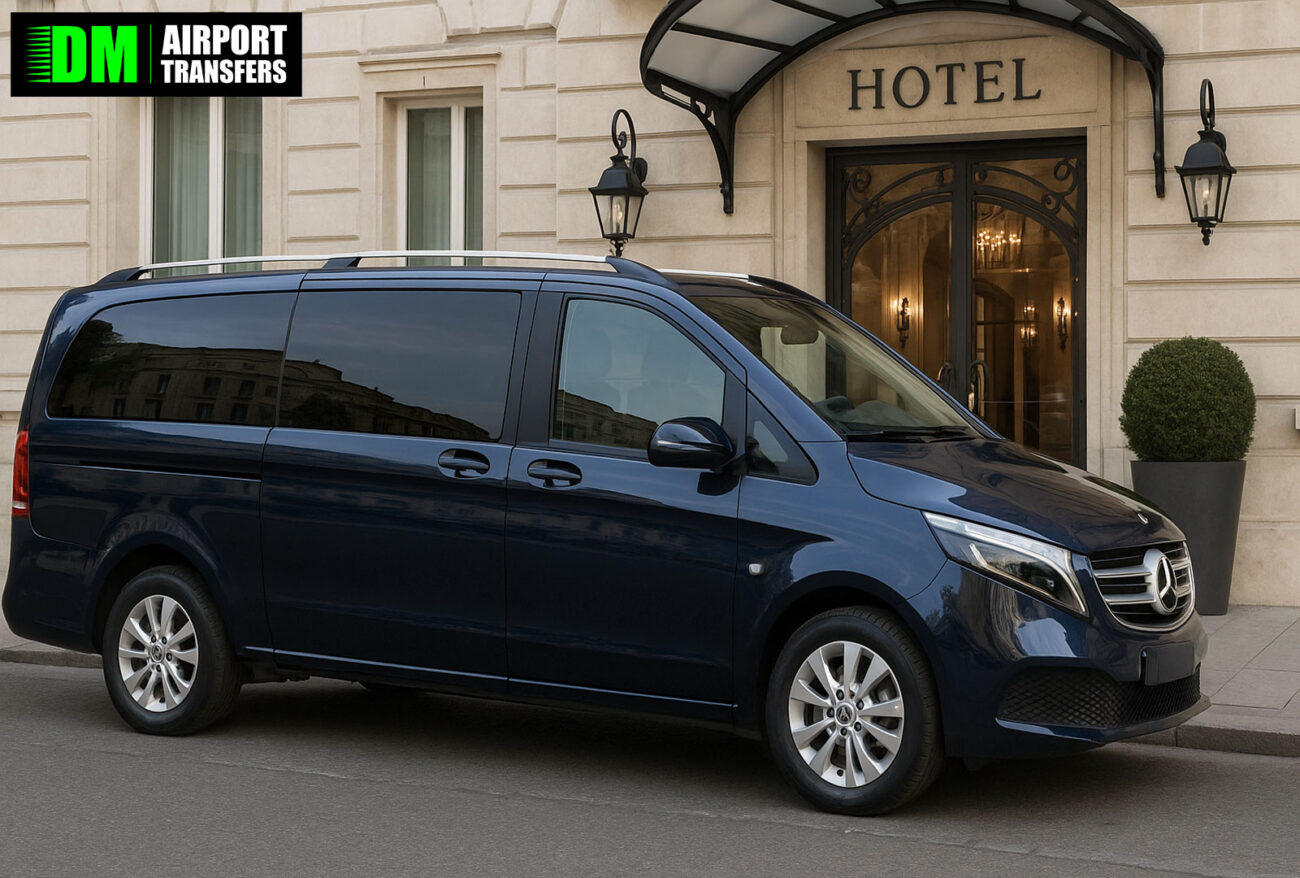
Minibus and multi-seater transfers are now one of the most popular ways to get to Cheltenham Races, especially for race days, stag groups and corporate bookings.
🚘 Executive Travel: Not Just for VIPs
Executive vehicles aren’t only for celebrities or box holders. Many regular racegoers choose executive travel because it offers:
- Extra comfort on longer journeys
- Privacy and relaxed travel
- Plenty of space
- A calmer experience away from crowds
It’s particularly popular for airport arrivals, corporate hospitality and groups travelling from London or major cities.
🕒 Timing Matters More Than You Think
Another common mistake is arriving too late.
Cheltenham Racecourse gets extremely busy well before the first race. Experienced racegoers usually:
- Arrive earlier than planned
- Avoid peak arrival windows
- Pre-arrange return pickups
Planning travel properly often makes the difference between a relaxed race day and a stressful one.
✅ So… What Is the Best Way to Get to Cheltenham Races?
For most people, the answer is simple:
- Driving: Only if you’re local and happy with delays
- Train: Works best for solo travellers with flexible plans
- Taxi or pre-booked transfer: Best overall for convenience
- Minibus or executive travel: Ideal for groups, long distances and stress-free travel
First-timers often underestimate how busy Cheltenham Festival gets — experienced visitors don’t.
📞 Planning Your Cheltenham Races Travel
If you’re travelling to Cheltenham Races from an airport, hotel or another city, pre-planning your transport is one of the easiest ways to improve the whole experience.
DM Airport Transfers provides pre-booked race day travel, group transfers and executive options across the UK.
- 🌐 dmairporttransfers.co.uk
- 📧 info@dmairporttransfers.co.uk
- 📱 WhatsApp: +44 7947 199830
Sources
- Cheltenham Racecourse – Visitor & travel information
https://www.thejockeyclub.co.uk/cheltenham/plan-your-visit/ - UK rail crowd management during major events
https://www.nationalrail.co.uk
